
Legal update, plain English
Your Face Is Now Legally You in California. Here’s What Changed This Week.
Two new California laws, one stalled federal bill, and what they mean if you have a face, a voice, and a phone.
Last week, California did something no state had done before. It told the law that a computer-made copy of you is you.
If you are a creator, an athlete, a musician, an actor, or anyone with an audience, this changes what you can demand, and what you should refuse. Here is the whole thing in plain English. No law degree required.
First, the word you need: digital replica
A digital replica is a computer-made version of your face or voice that is realistic enough to be mistaken for you. The AI version of you in an ad you never shot. The clone of your voice reading a script you never read. California’s law now has one name for all of it: a digital replica.
Law one: a copy of you is you
California has protected your name, face, and voice from unauthorized ads for decades. The gap was that the old law was written for photographs. On September 30, Governor Newsom signed SB 1111, which adds four words to that law: a likeness includes a digital replica.
What that means for you:
- If a company uses an AI version of your face or voice in California without your permission, it owes you at least $750 per violation, and more if you can show real damage. Same penalty as stealing your photo.
- If someone uses a replica of you to pretend to be you, that is now a crime in California, not just a lawsuit.
Before this law, a company could argue that a computer-generated version of you was not technically “you.” That argument is gone.
Law two: ads must say when the person is not real
On September 16, Governor Newsom signed SB 1050. It says that when an ad uses an AI-made performer who is not a real, identifiable person, the ad has to say so, clearly, with words like “this performance features a synthetic performer.”
Read that carefully, because it contains good news for you. The disclaimer is for fake people. A licensed, identified, real person is not a synthetic performer. When a brand licenses your digital twin, with your name on the agreement, they are using you, not a synthetic. That is a reason for brands to want real, verified people, and it is one more reason your likeness is worth more than a generic AI face.
And the federal law? It stalled.
You may have seen headlines about the NO FAKES Act, the bill in Congress that would create a national right to control AI copies of your voice and face. On September 30, the same day California signed SB 1111, one senator blocked a vote on it over free-speech concerns. It was not struck down by a court. It is parked, and it may come back after the midterms with changes.
What that means in practice: there is still no national rule. Your protection depends on which state you are in, and on what you signed. Tennessee protects your voice. Illinois protects your biometric data. California now protects your replica. Most states have something, and a few have almost nothing. Until Congress acts, the strongest protection you have is the contract in front of you.
What to do this week
- Never sign a replica clause that says “all media” or “in perpetuity.” Ask for named uses and an end date.
- Ask every platform one question: are the people on it real and identity-verified? If a platform lets anyone upload any face, your face can end up there too.
- Know your state. Search your state’s name plus “right of publicity.” Five minutes, and you will know whether your protection is strong, weak, or missing.
- Keep a folder of every contract you have ever signed that mentions your image, voice, or content. Old agency deals and platform terms can contain replica grants you forgot about.
Where PopTwin fits
Every license on PopTwin names the specific uses, the media channels, the term, and the territory. Every person on it is identity-verified, so a brand licensing you is licensing a real person, not a synthetic performer. Our agreements are drafted by IP attorneys to hold up under BIPA, the ELVIS Act, and California’s digital replica laws, and you are always free to bring your own counsel or union to review before you sign. California just wrote into law what we built the platform around: a copy of you is you, and nobody uses it without your signature. And with PopTwin, you approve every asset made with your digital twin, your digital replica, before it goes live.
This article is educational information, not legal advice. Laws vary by state and change often. Consult a licensed attorney before signing any agreement involving your name, image, likeness, or voice.
License your likeness on your terms
PopTwin is the consent-first marketplace for digital Name, Image, and Likeness. Talent keeps 82.5% of every deal. The waitlist is open.
Join the waitlist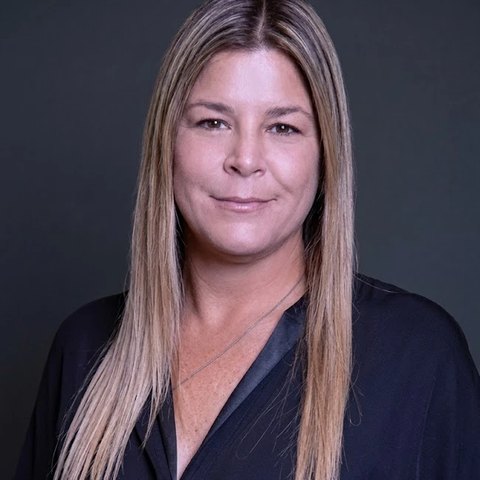
Caro Santamarina is the Founder and CEO of PopTwin.ai. A former NCAA athlete, she spent 20 years in media and entertainment leading operations, sales, partnerships, and expansions, building ecosystems from vision to scale. caro@poptwin.ai